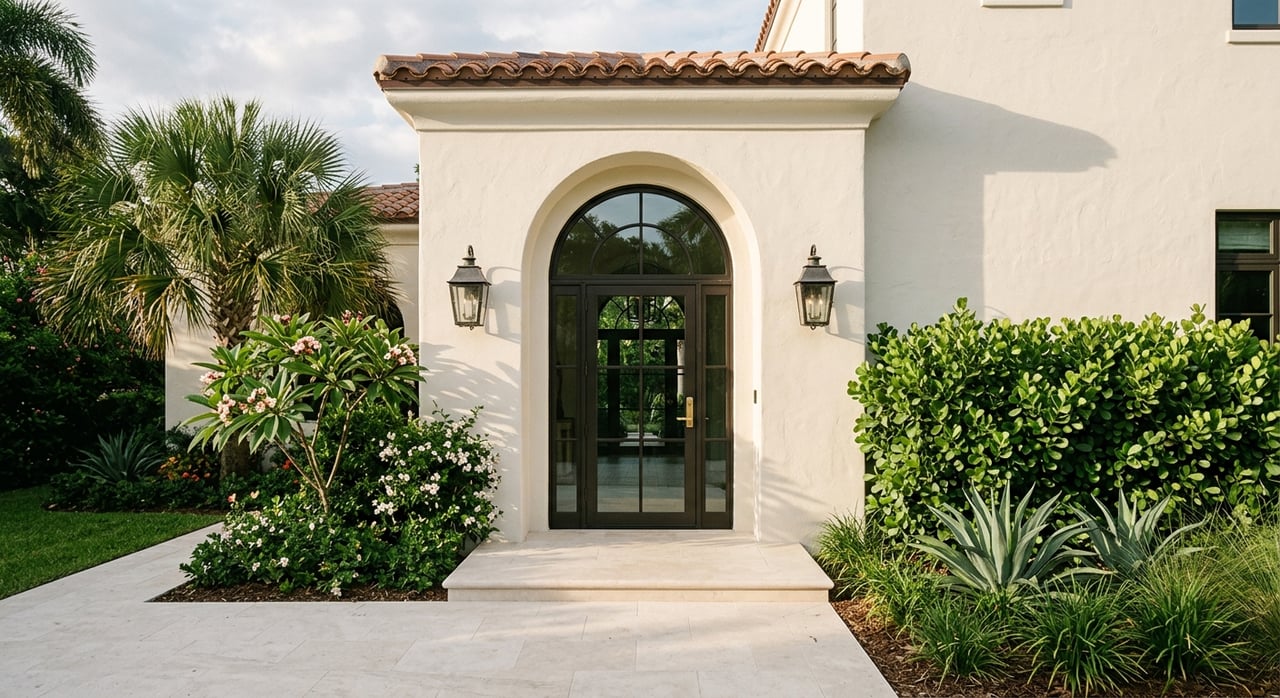
How to Sell a Historic Palm Beach Home Strategically
April 23, 2026
April 23, 2026
Selling a historic Palm Beach home is not the same as selling a newer luxury property. Buyers are often drawn to the architecture, craftsmanship, and sense of place, but they also want confidence that the home has been cared for properly. If you are getting ready to list, the right preparation can help you protect the home’s character, avoid delays, and present a stronger value story from day one. Let’s dive in.
In Palm Beach, historic preservation is an active part of the development review process. According to the Town’s development review guidance, exterior changes on landmarked properties generally require a Certificate of Appropriateness before a building permit can be issued.
That matters because your listing timeline may depend on more than painters, photographers, and staging. If you are planning visible exterior work, you may need to coordinate around the Landmarks Preservation Commission’s monthly review schedule.
The good news is that not every project triggers the same level of review. The Town notes that ordinary maintenance or repairs that do not change the design, materials, or outward appearance are not regulated in the same way, and interior arrangements usually are not a factor unless they affect the exterior.
Historic Palm Beach buyers are often paying for more than square footage or lot size. They are also responding to architectural integrity, original details, and the feeling that the home still reflects its period and style.
Palm Beach’s landmark manual highlights a range of local architectural styles, including Mediterranean Revival, British Colonial/Bermuda, Shingle, Frame Vernacular, Georgian Revival, and later modernist work. That variety is important because the best pre-sale strategy for a Mediterranean estate may look very different from the right approach for a more restrained British Colonial home.
In practical terms, buyers typically respond best when a home feels authentic and well maintained. A careful, style-appropriate presentation usually lands better than a rushed attempt to make a historic home look brand new.
Before you invest in upgrades, focus on the items that protect the home and reassure buyers. Palm Beach’s preservation guidance points sellers toward visible priorities such as the roof, drainage, gutters, masonry or stucco, windows and doors, and signs of structural settling.
The Town’s manual recommends annual roof and drainage inspections and notes that foundation issues in older island homes may relate to reclaimed land and long-term settling. Those are not details to overlook before going to market, especially in a high-value sale where buyers are likely to study condition closely.
The best pre-listing work usually follows a simple principle: preserve first, replace carefully when needed. The National Park Service standards for historic properties and Palm Beach guidance both emphasize retaining original form, integrity, and materials whenever possible.
When replacement is unavoidable, the goal is compatibility. Palm Beach specifically notes that matching historic windows, roof tiles, stucco, doors, and similar details can be comparable in price and installation to prefab materials, which makes thoughtful repair a practical choice as well as a design one.
One of the biggest mistakes sellers can make is treating a historic property like a blank slate. Palm Beach’s preservation framework discourages mixing styles or introducing visually jarring replacements because scale, proportion, and the building’s relationship to its surroundings all matter.
That is why a light-touch restoration approach often makes more sense than a full exterior reinvention. If you remove too much historic character, you may spend money without improving the home’s appeal to the buyer most likely to value it.
This does not mean you cannot make the property feel current. It means updates should feel compatible with the house rather than disconnected from it.
If you want to improve presentation without creating unnecessary approval issues, interior-only work is often the safer path. Palm Beach guidance states that kitchen and bathroom renovations generally do not require Landmarks Preservation Commission approval unless the work adds or moves windows or doors, or changes square footage.
That can give you room to refresh the home’s function and finish level before listing. Thoughtful improvements to kitchens, baths, lighting, and mechanical systems may help buyers feel more comfortable, especially when they are done without altering the façade, roofline, or footprint.
The Town also notes that sensitive upgrades to mechanical, electrical, and plumbing systems are acceptable when they help the property function without erasing historic character. For many sellers, this is where form and practicality can meet in a very effective way.
In Palm Beach, even a beautiful house can lose momentum if visible site features raise questions during due diligence. The Town’s 2025-2026 code update summary includes rule updates related to mechanical equipment screening, flood vents, front-yard setbacks, private beach access structures, and ocean bulkhead or seawall placement.
If your home is oceanfront or has coastal access features, confirm current compliance before photography and showings begin. Stairs, ladders, ramps, seawalls, and bulkheads can become important talking points for buyers, inspectors, and attorneys.
This step is also valuable for non-oceanfront homes. Visible systems and exterior elements that appear minor in everyday life can still affect buyer confidence once the property is under a microscope.
For a historic Palm Beach sale, documentation is part of the presentation. A well-organized file can help buyers understand the home’s care, confirm completed work, and move through diligence with fewer surprises.
Your file may include:
Palm Beach’s landmark manual explains that the Town expects presentation-quality plans, photos, and samples for applicable review matters, and incomplete applications can be deferred. If exterior work is still in process, that is another reason to start early and keep records organized.
For buyers, this paperwork can do more than answer technical questions. It can support the home’s value story by showing that preservation decisions were deliberate and well executed.
Timing matters in every luxury listing, but it matters even more with historic property. The Landmarks Preservation Commission meets monthly, and if your application materials are incomplete or the project is not ready for review, that can push back both work completion and the launch date.
If you are considering any visible exterior improvements, build extra time into your schedule. Last-minute assumptions can create unnecessary pressure and may limit your options right when you want the home to look its best.
Palm Beach has also updated its LPC Approval Guide so certain routine, non-controversial like-for-like replacements may be reviewed administratively. That can be helpful for sellers handling smaller fixes, but it is still wise to confirm scope and timing before you set a listing calendar.
In a coastal market like Palm Beach, preparation is not just about architecture and finishes. Insurance and flood exposure can also shape buyer decisions and affect the path to closing.
Florida’s Office of Insurance Regulation notes through the state’s flood insurance overview that flood insurance may be required depending on a home’s location, and most flood coverage is federally regulated through the National Flood Insurance Program administered by FEMA.
For sellers, that means flood compliance and insurance review should happen early, not after the home is already on the market. If buyers have questions, being prepared with clear information can support confidence and reduce friction during negotiations.
A historic home in Palm Beach often sells best when the marketing highlights both authenticity and readiness. Buyers want to see original character, but they also want to understand how the property lives today.
That is why your preparation should balance preservation, condition, compliance, and documentation. When those pieces are in place, the home is easier to position as a distinctive Palm Beach offering rather than a property with unanswered questions.
If you are planning to sell a historic residence in Palm Beach, working with a team that understands presentation, timing, and the local approval landscape can make the process much smoother. When you are ready for strategic guidance, connect with John Reynolds & Randi Binder for a discreet conversation about positioning your home for today’s luxury market.
Stay up to date on the latest real estate trends.
Building unparalleled value in high-end communities, offering tailored strategies that maximize opportunity and deliver exceptional results across premier properties.