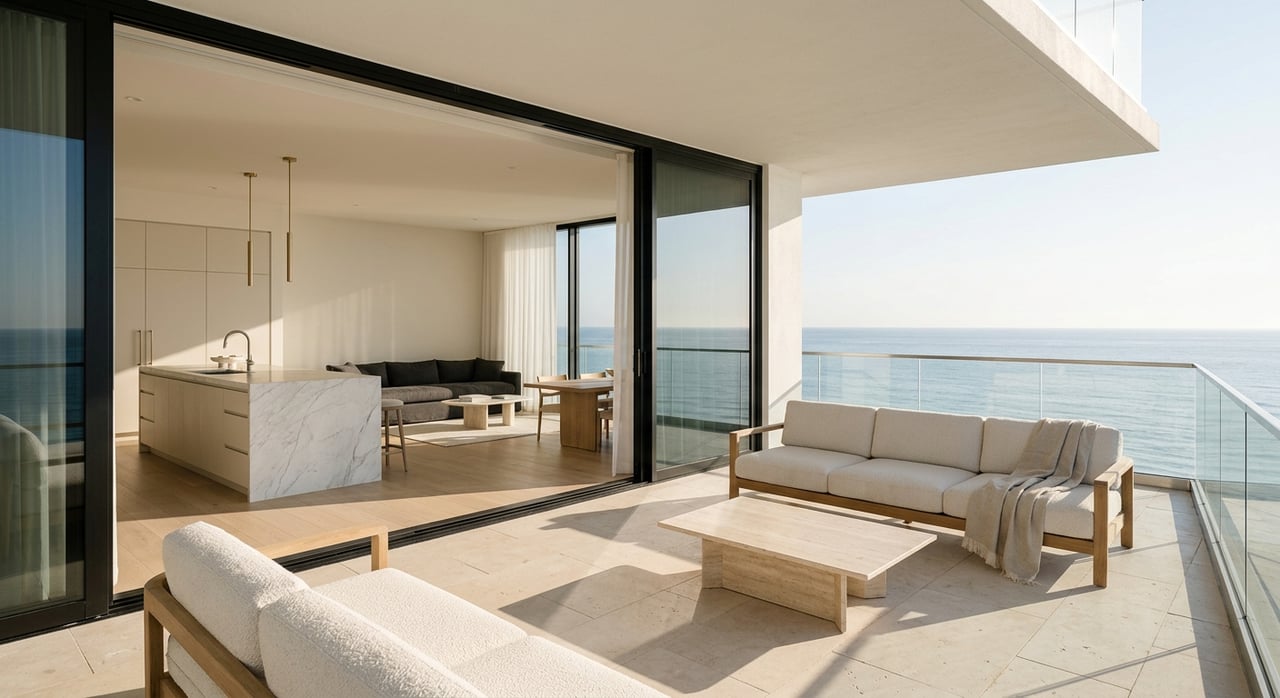
What Palm Beach Oceanfront Living Is Really Like
April 16, 2026
April 16, 2026
If you picture oceanfront life in Palm Beach as one long vacation, the reality is more nuanced and, for many buyers, more appealing. Daily life here feels polished, quiet, and carefully managed, with limited public beach access, a strong seasonal rhythm, and a lifestyle that extends well beyond the sand. If you are considering a home on the island, understanding how Palm Beach actually functions day to day can help you decide whether it fits the way you want to live. Let’s dive in.
Palm Beach is an island town with more than 12 miles of beachfront, yet it operates very differently from many Florida beach markets. According to the Town of Palm Beach, about 9,000 people live there year-round, with roughly 20,000 more seasonal homeowners arriving during the winter months.
That combination creates a lifestyle with clear shifts throughout the year. Winter tends to feel more active and social, while summer often feels quieter and more residential. For many buyers, that rhythm is part of the appeal.
A key part of everyday oceanfront living in Palm Beach is understanding that beach access is selective. The town has only two public beaches, Mid-Town Municipal Beach and Phipps Ocean Park, which makes the island feel more controlled than other coastal towns in Palm Beach County.
The beaches are open from sunrise to sundown, and the town notes that access points use time-set electronic locks that open during the day and lock at night. That structure helps preserve a more orderly beach experience, but it also means spontaneous late-night shoreline access is not part of the routine.
Beach rules are also part of daily life. The town restricts alcohol, smoking, fires, and some animal access on public beaches, according to its beach FAQ. If you are moving here from a more casual beach community, that difference is worth noting.
Palm Beach backs its beach operations with year-round public safety. The town’s Ocean Rescue unit serves the two public beaches seven days a week, 365 days a year, with lifeguards, AEDs, rescue paddle boards, rescue boats, response ATVs, and lifeguard towers.
For buyers who want a well-managed environment, this can add reassurance to the oceanfront lifestyle. It reflects the town’s broader approach, which tends to be structured, service-oriented, and highly maintained.
Even simple beach outings in Palm Beach come with a bit more planning. The town carefully manages parking through ParkMobile spaces, resident placards, and time limits in certain areas, with additional street and lot parking near Worth Avenue and South Ocean Boulevard, as outlined on the town’s parking page.
In practice, that means everyday beach use often feels less casual than in markets built for heavier visitor traffic. For some buyers, that is a drawback. For others, it supports the quieter, more private-feeling atmosphere they are looking for.
Oceanfront living in Palm Beach is not just about stepping onto the sand. Much of the island’s daily lifestyle revolves around culture, dining, shopping, and recreation within a compact footprint.
Worth Avenue remains the town’s best-known retail and dining district. The Florida Department of Environmental Protection’s coastal access guide describes it as a high-end shopping and dining area with boutiques and art galleries, which helps explain why many residents build regular routines around more than just waterfront time.
Palm Beach also offers a level of cultural activity that stands out for a town its size. The Society of the Four Arts provides public gardens, a library, lectures, author talks, public bathrooms, and Wi-Fi on campus, while the Flagler Museum opens Whitehall as a public historic house museum with tours and programs.
The town also maintains a strong recreation focus beyond the shoreline. Its history page notes award-winning golf and tennis facilities, which adds to the appeal for buyers who want a broader lifestyle mix than beach access alone.
Phipps Ocean Park is also in the middle of a major transformation. According to the Town of Palm Beach history page, the project will add beach pavilions, lifeguard towers, bathrooms, educational walking paths, a coastal restoration center, and a playground.
If you are evaluating daily life near that area, timing matters. As of April 2026, Phipps Ocean Park is scheduled to remain closed to the public from May 1 through October 1, 2026, with the south end and beach access staying closed until the project is complete.
Palm Beach’s beauty comes with real coastal responsibilities. If you are considering oceanfront ownership, it helps to think beyond views and focus on how the island operates through the full calendar year.
One example is sea turtle nesting season, which runs from March 1 through October 31. The town states that beachfront lighting must be shielded or turned off so it is not visible from the beach or water during that period, according to its history page.
Hurricane planning is another part of life here. The National Hurricane Center states that Atlantic hurricane season runs from June 1 through November 30, and the Town of Palm Beach says the island is in Zone B and uses roadblocks and re-entry lists after mandatory evacuations.
The shoreline in Palm Beach is actively managed, not static. The town’s Coastal Protection page describes ongoing dune restoration and beach management work.
That work matters because coastal conditions can directly affect daily routines. On April 9, 2026, the town temporarily closed the Brazilian and Chilean Avenue beach access points due to significant erosion, underscoring that oceanfront living here can include periodic access changes and maintenance-related interruptions.
If you are still deciding between Palm Beach and other coastal areas in the county, the lifestyle differences are important. Palm Beach County overall has 47 miles of sandy beaches and 156 public access points, but Palm Beach itself is far more selective, with only two public beaches and stricter beach-use rules, according to the county’s coastal access guide.
Boca Raton offers a different beach pattern, with lifeguard-protected shoreline across Spanish River Park, Red Reef Park, and South Beach Park. Delray Beach is more visitor-facing, with a municipal beach spanning about two miles and features such as showers, bicycle and towel racks, drinking fountains, and broader parking options, according to the city’s beach page.
West Palm Beach is different again. Its primary waterfront identity centers on the Intracoastal Waterway and downtown areas like CityPlace and Clematis Street, rather than island oceanfront living, as reflected by the city’s waterfront information.
Palm Beach often suits buyers who want a setting that feels curated, private, and highly maintained. It can be an especially strong fit if you value structured beach access, a seasonal social rhythm, proximity to Worth Avenue, and a more residential tone than many coastal markets offer.
It may be less ideal if you want a beach town with broad public access, a looser daily pace, or a more casual visitor-centered atmosphere. In that sense, Palm Beach is not simply about living near the ocean. It is about choosing a very specific version of coastal life.
Before buying oceanfront in Palm Beach, it helps to look at more than the property itself. Consider how you want to use the beach, how often you will be in residence, how comfortable you are with seasonal regulations, and whether you prefer a quieter island setting or a more open public beach environment.
That kind of clarity matters even more in the luxury market, where fit is just as important as price point or architecture. The right home should match not only your aesthetic preferences, but also your day-to-day routine and expectations.
If you are exploring oceanfront or near-ocean opportunities in Palm Beach, West Palm Beach, or Palm Beach Gardens, John Reynolds & Randi Binder can help you evaluate how a property aligns with the lifestyle you want, with the discretion, local insight, and strategic guidance that high-value decisions require.
Stay up to date on the latest real estate trends.
Building unparalleled value in high-end communities, offering tailored strategies that maximize opportunity and deliver exceptional results across premier properties.